
Check Bouncing
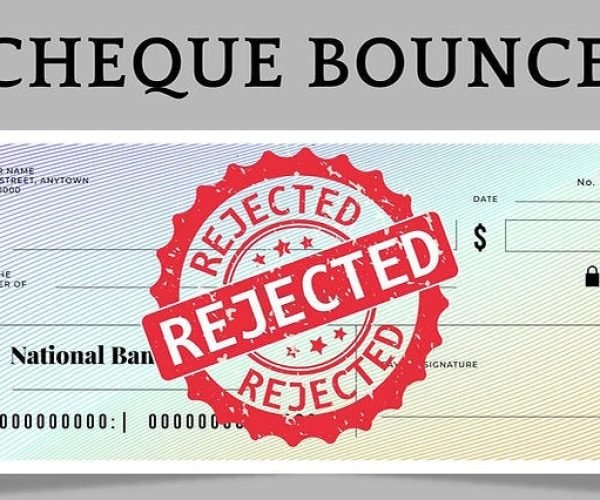
Check Bouncing
A cheque bounce is an offence under Section 138 of the Negotiable Instruments Act, 1881 (“Act”) punishable with a fine which can extend to twice the amount of the cheque or imprisonment for a term not more than two years or both. When the payee presents a cheque to the bank for payment, and the cheque is returned unpaid by the bank with a memo of insufficient funds, then the cheque is said to have bounced.
A cheque bounce can occur due to several reasons, but if a cheque bounces due to insufficient funds in the drawer’s account, it amounts to an offence under the Act. The bank must reject the cheque presented for payment with a return memo stating the reason as insufficient funds. In such a case, the payee of the cheque can issue a cheque bounce notice to the drawer demanding to pay the cheque amount.
- Sure, bouncing a check refers to when a check is written against an account but cannot be honored by the bank because there are insufficient funds available. This can happen due to various reasons such as miscalculations, unexpected withdrawals, or delayed deposits.